













Quick Takeaways for First-Time Campers
- A mix of excitement and anxiety is normal: Most beginners feel nervous about unfamiliar routines and gear.
- Pack in categories: Group items by refrigeration, dry food, sanitation/cleaning, and downtime entertainment before loading.
- Maximize vertical and unused space: In compact trailers, unused upper bunks make high-utility storage areas for lightweight duffel bags and dry goods.
- Always separate transit gear from campsite gear: Keep cleaning supplies, flashlights, and first-aid kits accessible during transit, not buried under heavy bags.
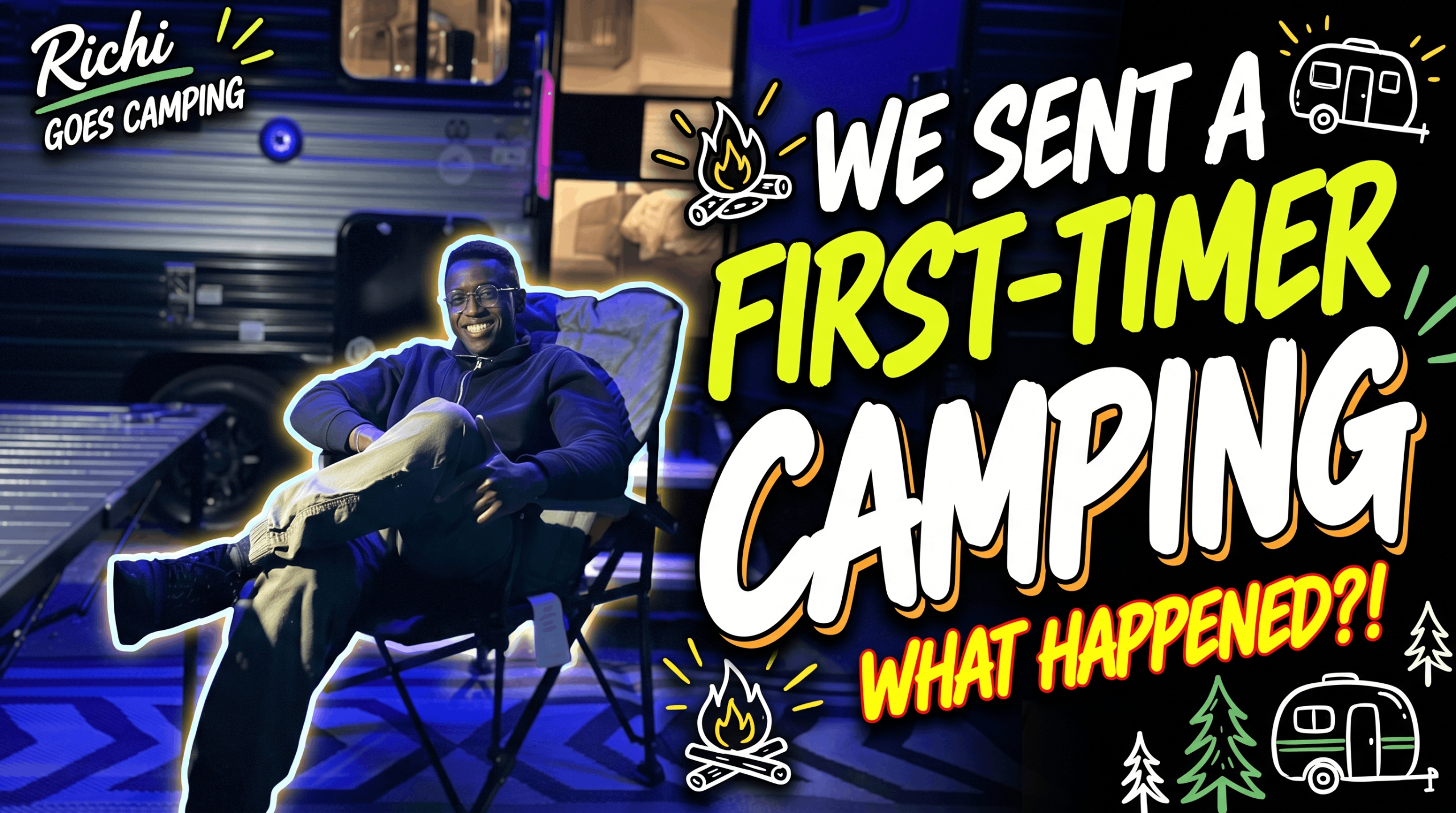
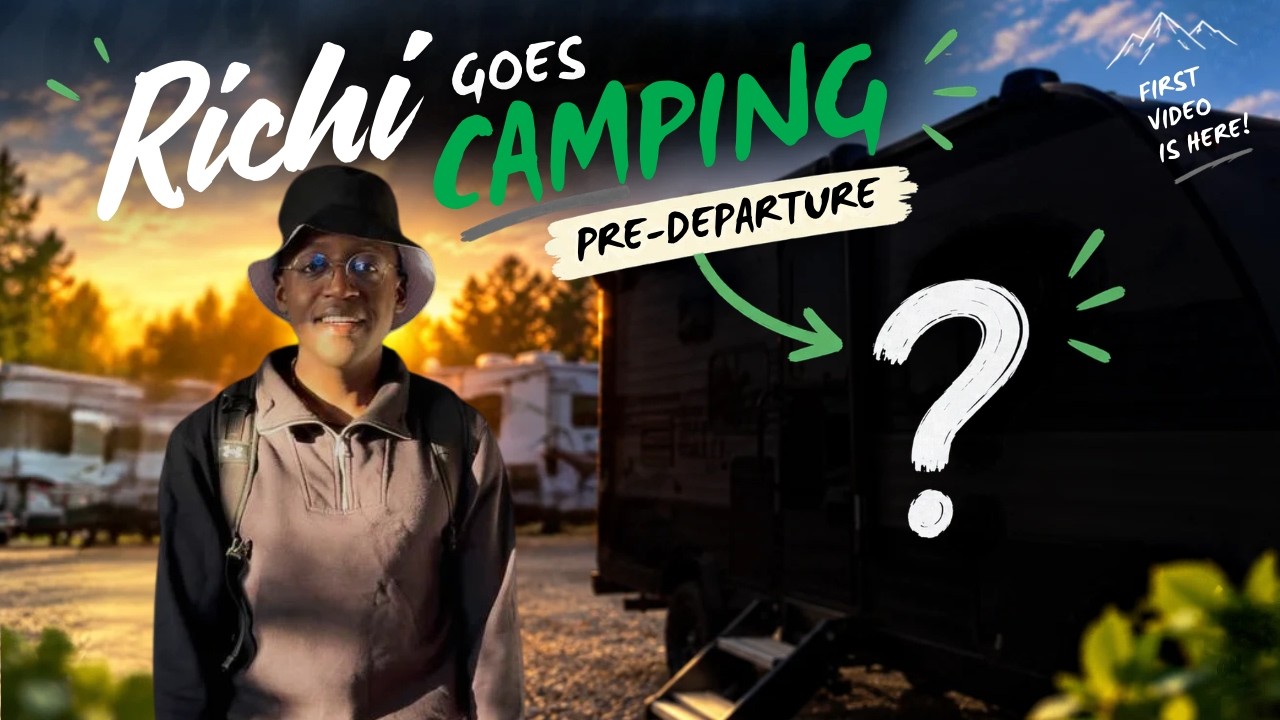
Starting your first camping trip comes with a strange paradox: you are thrilled to unplug, yet anxious about everything you might forget. When Richi set off on his very first camping trip, the preparation phase brought up the exact mix of excitement and nervousness that every beginner experiences.
Turning an empty car trunk and a compact camper trailer into a functional weekend home requires strategy. Here is how to handle pre-trip nerves, pack efficiently, and maximize storage when you have never camped before.
Managing First-Time Camping Anxiety and Expectations
The hardest part of camping for beginners is not setting up the gear—it is managing the unknown. Stepping into a campsite without prior experience naturally sparks questions: Will I sleep comfortably? Did I bring enough food? Will the weather cooperate?
- Acknowledge the learning curve: Expect something small to go wrong, whether it is forgetting an extra pair of dry socks or struggling with a latch. Treating the first trip as a trial run removes unnecessary pressure.
- Review your layout beforehand: If you are renting or borrowing a camper trailer, familiarize yourself with its specs. Knowing whether you have a 12V fridge, standard outlets, or onboard running water determines how you pack.
- Bring home comforts: Richi made sure to pack familiar entertainment, including board games like Monopoly. Outdoor recreation involves significant downtime; packing simple comforts prevents restless evenings if bad weather hits.
What to Pack for a Camper Trailer: The Priority System
Packing for a camper trip differs significantly from packing a hotel suitcase. Storage space is fixed, and clutter accumulates quickly. Packing works best when organized into four functional zones before anything enters the vehicle:
- Perishables & Cooler Items: Keep cold ingredients together until the final departure hour. Prep meat and vegetables at home by pre-chopping and storing them in sealed containers to save space in compact camper fridges.
- Cleaning and Camp Sanitation: Disinfecting wipes, biodegradable dish soap, paper towels, and heavy-duty trash bags should go into a single bin. Set this bin in an easily reachable spot; you will need cleaning supplies immediately upon parking.
- Cabin Entertainment: Pack low-power activities such as books, decks of cards, or travel board games. These require no campsite Wi-Fi and serve as reliable backup plans during unexpected rain showers.
- Emergency & Utility Basics: Flashlights, headlamps, a multi-tool, duct tape, and a basic first-aid kit should never be buried beneath luggage.
Smart Storage Lessons from a Compact Camper
Compact camping trailers offer great mobility, but interior square footage disappears once your bags are inside. Making the space livable requires intentional organization from minute one.
- Reassign unused sleeping berths: If your trailer features bunk beds that your group will not use for sleeping, turn them into your primary gear shelf. This keeps suitcases and gear totes off the walking floor.
- Take advantage of deep floor cabinets: Place dense, heavy items (cast iron skillets, canned goods, tool kits) in the lowest storage compartments. This keeps the trailer’s center of gravity balanced for towing while leaving overhead shelves open for soft gear like jackets and pillows.
- Keep the floor clear: In a teardrop or compact trailer, a single bag left in the walkway turns simple tasks like accessing the fridge into a frustrating chore. Assign a specific shelf or cubby to every bag immediately upon loading.
Frequently Asked Questions
How do I prepare for my first time camping in a trailer?
Start by learning your trailer’s hookup and power requirements. Pack essentials in clear, labeled bins rather than large loose piles. Pre-cook simple meals at home to reduce kitchen cleanup, and arrive at the campsite at least two hours before sundown to set up while you still have daylight.
What is the biggest packing mistake beginner campers make?
Overpacking loose clothes while underpacking utility essentials. Beginners frequently bring too many outfit changes but forget trash bags, extra water containers, utility cords, and weather-appropriate layers like moisture-wicking base layers or rain shells.
Can you use a camper trailer bunk bed for storage?
Yes. In small trailers, empty bunk beds provide deep, accessible storage. Secure soft items, sleeping bags, and duffel bags on the bunks using bungee cords or cargo netting so they do not slide onto the floor during transit.
Up Next: See what happens when the sun goes down in Part 2: What It’s Really Like Sleeping Outside for the First Time.